
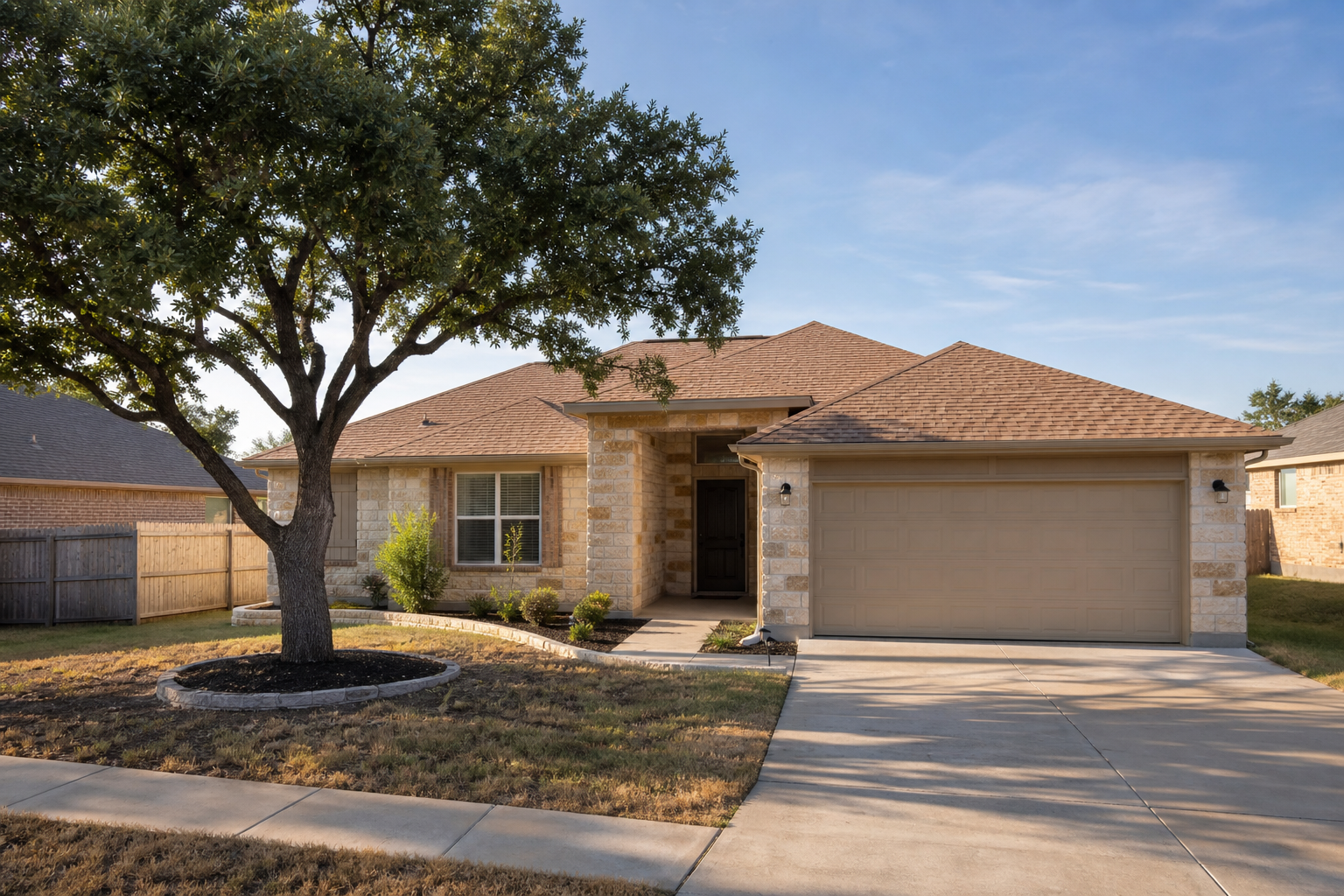
Out-of-state owners can sell a tenant-occupied property in Central Texas without flying back or managing the details themselves. A local agent handles lease review, tenant communication, showing coordination, and closing logistics, and can target investor buyers who prefer occupied properties with paying tenants.
Can you sell a tenant-occupied rental in Central Texas without being there in person?
Yes. Out-of-state owners sell tenant-occupied properties in Killeen and the broader Central Texas market regularly, and you don’t have to manage the tenant, coordinate the showings, or fly back for closing. With the right local agent and a clear plan, the process runs from your laptop, and a buyer pool that actively wants occupied rentals makes it more straightforward than most owners expect.
I’ve helped out-of-state landlords sell former rentals across Killeen, Harker Heights, Copperas Cove, and the Temple-Belton corridor. What I’ve learned is that the stress usually comes from not knowing what to do about the tenant, not from the sale itself. Once you have a plan for that piece, everything else follows a normal timeline.
What the Killeen-Temple Market Looks Like for Tenant-Occupied Sales in 2026
Context matters before you decide on a strategy. Here’s where the market stands heading into fall 2026.
The Federal Reserve’s All-Transactions House Price Index for the Killeen-Temple MSA reached 331.82 in Q1 2026, up from 326.57 in Q4 2025, continued appreciation at the metro level, even as city-level data shows some softening. At the city level, Redfin’s Killeen market data puts the median sale price at $235,000 over the three months ending June 2026, down 3.3% year-over-year, with homes averaging 64 days to sell. Zillow’s Killeen figures show a typical home value around $220,448 and a median sale price of $222,500 as of data through July 31, 2026.
At the metro level, the Federal Reserve’s median listing price series for Killeen-Temple sat at $289,000 in July 2026. CMA Scope’s Killeen-Temple dashboard shows median days on market at 72 days as of July 2026, while the FRED median days-on-market series for the CBSA shows 70 days in June 2026. The takeaway: well-priced properties here are taking roughly two months to go under contract. That’s a realistic planning window for coordinating a tenant transition.
One more number that matters for your strategy: rental market data from Point2Homes shows renters occupy roughly 54% of Killeen’s housing units, about 30,941 renter-occupied units compared to 26,629 owner-occupied. This is the most recent breakdown available as of August 2026. That majority-renter profile means investor buyers are active here and comfortable with occupied properties. It also means local agents, title companies, and the broader transaction ecosystem deal with tenant-occupied sales constantly.
Investor buyers vs. owner-occupant buyers: why it matters for your timeline
This is the first strategic decision you’ll make, and it shapes everything downstream.
Investor buyers in Killeen-Temple, particularly those targeting single-family rentals near Fort Cavazos, often prefer occupied properties. A paying tenant means immediate cash flow from day one of ownership. These buyers are generally more flexible about showings, post-closing occupancy, and lease timing. If your tenant has a solid payment history and a current lease, that’s a selling point, not a liability.
Owner-occupant buyers typically want to move in. If you’re targeting this pool, you’ll need to plan around your lease expiration date or negotiate a tenant move-out before or shortly after closing. In a market where median sale prices in Killeen sit in the low-to-mid $200,000s, owner-occupant buyers are often sensitive to move-in timelines and may pass on a property they can’t occupy promptly.
I often test investor demand off-market first using my network of local investors and REI contacts. If a clean offer comes in that way, you spare your tenant from weeks of MLS showings, and you may close faster than a retail listing would allow.
| Buyer Type | Tenant Preference | Typical Timeline Flexibility | Showing Coordination |
|---|---|---|---|
| Investor buyer | Occupied with paying tenant preferred | High, lease transfers with property | Minimal showings often acceptable |
| Owner-occupant buyer | Vacant or near-vacant preferred | Low, needs move-in date certainty | Full access, staged presentation preferred |
How I Handle the Details When You’re Out of State
Here’s what the process actually looks like when you’re managing this from another state. None of it requires you to be here.
Step 1: Lease and property audit before anything goes on the market
Before we talk price or photos, I review the lease. That means confirming the lease term and expiration date, any automatic renewal language, the rent amount and due date, entry and showing notice requirements, and any buyout or early termination clauses. I also pull together the tenant’s payment history, ideally from your property manager, and do a walk-through of the property with advance notice to the tenant.
In Texas, when a property sells with a fixed-term lease in place, the buyer typically takes title subject to that lease. The lease runs with the land, not with you as the seller. That’s standard. What varies is how much flexibility you have around timing, and that comes directly from what the lease says.
This is also when I identify any low-disruption improvements that can move the needle on price without requiring vacancy, exterior paint touch-ups, landscaping, minor repairs visible from the street. Things that don’t require the tenant to pack up and leave.
Step 2: Tenant communication plan
The single biggest source of friction in tenant-occupied sales is the tenant feeling blindsided. I draft a clear, written explanation to the tenant about what’s happening: that the property is going up for sale, what showings will look like, who to contact with questions, and what their rights are through the process.
In markets like Killeen, where many tenants are military or shift workers, I also cluster showings into set windows, Saturday afternoon blocks, for example, rather than scheduling one-off visits at random hours. It reduces friction and keeps the tenant cooperative through the marketing period.
If early vacancy is in your interest, relocation assistance or a modest incentive for cooperation is common practice in investor-heavy markets. It’s not legally required, but it’s often the fastest path to a clean transition. I’ll walk you through the options based on your specific lease and tenant situation, that’s a conversation worth having before you decide on a strategy.
For more on how Texas law frames tenant rights and notice requirements in a sale, my post on how to sell a house with tenants in Texas covers the legal framework in detail.
Step 3: Coordinating with your property manager
If you have a property manager in place, which most out-of-state owners in Killeen do, I work directly with them. They’re your on-the-ground contact for delivering tenant notices, providing the lease and ledger documentation, and coordinating access for showings and inspections. I don’t need you to relay messages between me and your PM; I handle that communication directly so you’re not the bottleneck.
Your property manager will also provide the tenant ledger and lease copies that go to the buyer as part of the transaction package. Getting that documentation organized early avoids delays at the contract stage.
Step 4: Security deposit and closing logistics
This trips up a lot of out-of-state sellers. Under the Texas Property Code, when a property sells, the security deposit must either be returned to the tenant or transferred to the new owner, with written notice to the tenant of the new owner’s name and address. (See Texas Property Code § 24.005 for the broader notice framework, and Texas Property Code § 92.108 for deposit transfer requirements.)
In practice, the title company handles this as part of the closing workflow. The purchase contract and closing statement will specify how the deposit transfers, and the tenant gets written notice after closing. You don’t need to track this manually, it’s baked into the process.
Speaking of the title company: in Texas, the title company handles escrow, title insurance, lien payoffs, and deed recording for residential sales. This is standard statewide practice, and local title companies in Bell County and surrounding counties offer remote closing options, remote online notarization or mailed documents, so you can sign from wherever you are. I coordinate directly with the title company on your behalf throughout. If you want a full picture of what closing looks like, my post on what happens at closing when selling a home in Texas walks through the whole sequence.
Step 5: Seller’s Disclosure
Texas requires most residential sellers to provide a Seller’s Disclosure Notice (TREC Form OP-H) disclosing known property conditions and defects. This applies whether the property is owner-occupied or tenant-occupied. When you’re out of state and haven’t been inside the property recently, I’ll work with your tenant and property manager to confirm recent repairs, HVAC performance, any known issues, so you can complete the disclosure accurately. You’re not expected to know things you couldn’t know, but you do need to disclose what you do know.
For a full breakdown of what Texas disclosure law covers, my post on what you have to disclose when selling in Texas is worth a read before you list.
Timing: When to List a Tenant-Occupied Property in Central Texas
Summer months in Killeen-Temple tend to bring higher buyer activity, partly because of PCS cycles, military families relocating in and out of Fort Cavazos often move during summer. FRED data shows median days on market in the Killeen-Temple CBSA improving to around 70 days by June 2026 after peaking above 100 days in winter months, which supports the pattern of faster summers and slower winters in this market.
If your lease expires in the next 60-90 days and you’re targeting owner-occupant buyers, listing now or shortly after expiration puts you in a reasonable window. If you’re targeting investors and the tenant is current on rent, the timing is less critical, investor buyers are active year-round in a majority-renter market like Killeen.
The honest answer is that your specific timeline depends on your lease end date, tenant situation, and which buyer pool makes the most sense for your property. That’s exactly the kind of analysis I work through with every out-of-state seller before we decide on a go-to-market date.
Frequently Asked Questions
Can I sell my Killeen rental property with a tenant still living there, or do I have to wait until the lease ends?
You can sell with a tenant in place. In Texas, a fixed-term lease generally transfers with the property, the buyer takes title subject to the existing lease unless all parties agree otherwise. Many investor buyers in Killeen specifically prefer occupied properties with paying tenants because it means immediate rental income from closing day. If your target buyer is an owner-occupant, you’ll need to plan around lease expiration or negotiate an early move-out.
What notice does a tenant in Texas need if the new buyer wants to move in after closing?
The required notice depends on the lease terms and the specific circumstances of the sale. Under Texas Property Code § 24.005, certain post-foreclosure situations require at least 30 days’ written notice to vacate when the tenant is current on rent. For non-foreclosure sales, the lease terms and broader Texas Property Code eviction provisions govern the timeline. The practical takeaway: cooperative solutions, flexible timing, relocation assistance, or selling to an investor who keeps the tenant, are usually faster and less costly than formal eviction proceedings, especially given how backlogged eviction courts can be in Bell County.
Who handles the security deposit when I sell a tenant-occupied property in Texas?
Texas Property Code § 92.108 requires that the security deposit either be returned to the tenant or transferred to the new owner, with written notice to the tenant of the new owner’s contact information. In practice, this is handled through the title company and closing documents, the purchase contract specifies how the deposit transfers, and the tenant receives written notice after closing. Your listing agent should make sure this is addressed in the contract before you sign.
If I’m an out-of-state owner, how does a local agent handle showings and inspections when the tenant is in place?
A local agent coordinates directly with your tenant and property manager, you’re not in the middle relaying messages. Showings are scheduled with proper advance notice per the lease terms, and in Killeen, where many tenants work military or shift schedules, clustering showings into set windows (like Saturday afternoons) reduces disruption and keeps tenants cooperative. Inspections are scheduled the same way, with advance notice to the tenant and your property manager present if needed.
Will an investor pay more for my Killeen rental if I keep the tenant in place versus listing it vacant?
It depends on the tenant’s payment history and lease terms. An investor buying a property with a current, paying tenant and a clean rent ledger may value that cash flow and price accordingly, vacancy means a gap between closing and first rent, which costs the investor money. That said, a vacant property opens the door to owner-occupant buyers, which can broaden your buyer pool and potentially increase competition. The right strategy depends on your specific property, lease, and timeline, and that’s a conversation worth having before you decide which direction to go.
Selling a tenant-occupied property from out of state is manageable when you have someone local handling the details. I coordinate the tenant communication, the property manager, the showings, the disclosure process, and the title company, so you’re not flying back and forth or managing a transaction remotely on your own.
If you’re ready to talk through your specific situation, schedule a consultation here and I’ll walk you through exactly what a sale looks like for your property.
Equal Housing Opportunity. Stephen Harris is a Texas Associate Broker with the Good Life Team at All City Real Estate, Ltd. Co., licensed by the Texas Real Estate Commission (TREC). This article is general information only, not legal, tax, or financial advice. Confirm your specific numbers and obligations with your title company, tax advisor, or lender.
Leave a Reply